Why Is It So Difficult to Build Support for Species People Don’t Recognise, Like the Pangolin?

ART | ANTI-TRAFFICKING | WILDLIFE CONSERVATION

May 1, 2026 | 6 MIN READ | MYSTIC

My wildlife paintings often begin in a quiet studio, but some of my strongest lessons came from real encounters with wildlife. During kite festival season in Gujarat, I spent time with wildlife rescue teams caring for injured birds. Their dedication changed how I understand survival, conservation and the role of art in protecting nature.

HOW EMPATHY CHANGED BEFORE ART EVER DID

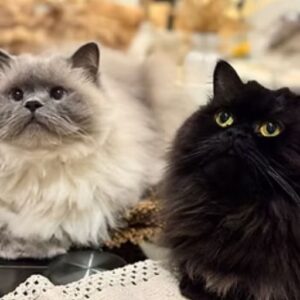
Growing up, I never had pets. Like many households, animals were seen as a background presence. They existed around us, but not with us. That changed the day my daughter brought home Cocoa, our first adopted cat. Then came Ash, and then Brownie.

They didn’t arrive as symbols or lessons; they arrived as individuals. Living with them revealed their routines, personalities and quiet intelligence. They were no longer “animals”. They were beings with rhythm, memory and emotion. Once you see that up close, you cannot unsee it anymore.

That shift changed more than the way I felt about the animals in my home. It changed the way I looked at wildlife beyond it. I began to understand that every creature has a life beyond what we see, whether it is a familiar cat resting beside us or a wild animal moving quietly through its natural habitat.

WHY THIS SHIFT MATTERS FOR CONSERVATION WORK

Wildlife conservation
A deeper emotional connection

This personal shift taught me something essential that later shaped my art. People don’t disconnect from wildlife because they don’t care; they disconnect because they’ve never been taught to relate.

Awareness and empathy
Awareness begins with empathy

When someone experiences individuality in animals within a personal space, a shift in awareness begins. With empathy, that emotional ground on which conservation efforts actually grow.

WHEN A PAINTING LEAVES THE STUDIO, ITS CONSERVATION ROLE BEGINS

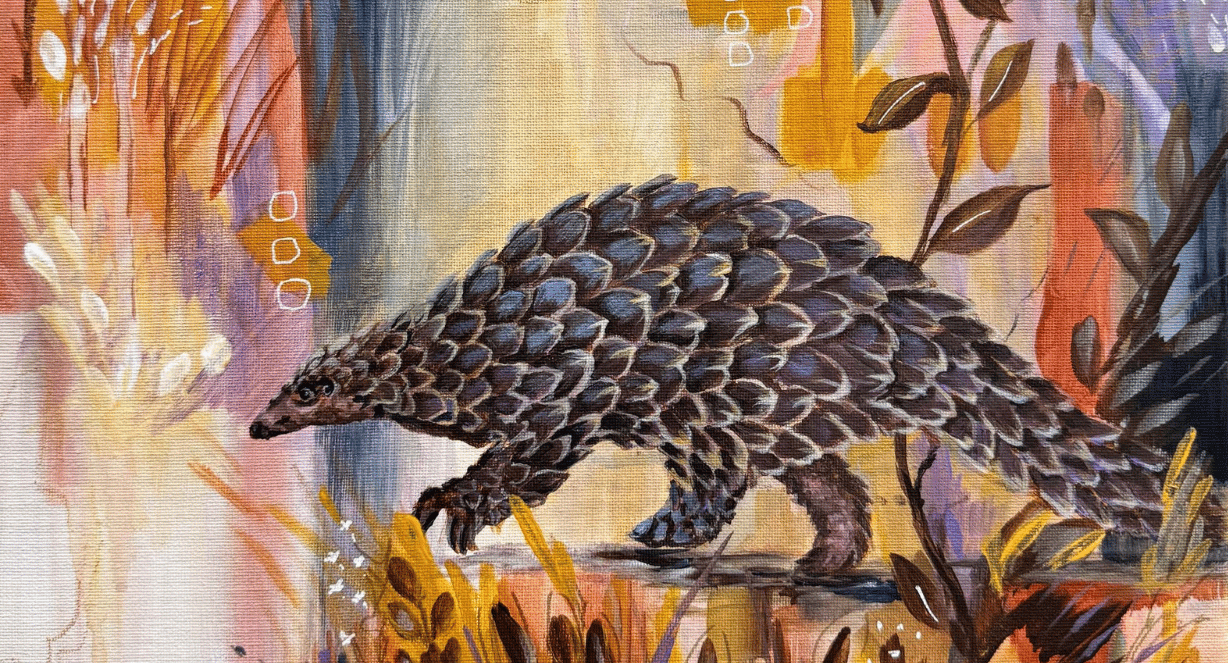
Once the painting travels to someone’s home or workspace, it becomes more than a piece of art. It invites someone to pause, look closer and perhaps care a little more. Art is a way to bring conservation into everyday spaces. Whether it is a home, school, office or public space, a painting can spark a question, a conversation or even a quiet sense of responsibility towards the natural world.When someone chooses to live with a wildlife painting, they bring a small reminder of nature into their everyday life. A familiar image on a wall can encourage curiosity about a species, its habitat, and the challenges it faces. Sometimes, that curiosity becomes a conversation; sometimes, it inspires someone to learn more or make a thoughtful choice.

For me, this is where art finds a purpose beyond the canvas. It creates opportunities for people to connect with wildlife in their own spaces, at their own pace, without feeling that they need to be experts in conservation.

Select your currency
USD United States (US) dollar