
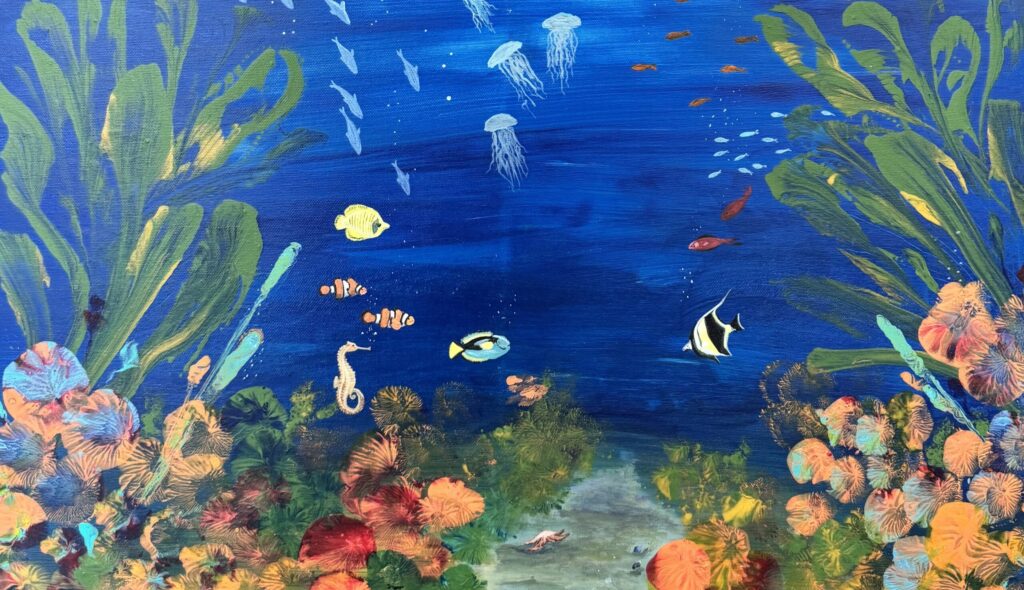
Why Do Marine Conservation Stories Struggle to Stay With People?

ART | MARINE CONSERVATION | VISUAL STORYTELLING

OCTOBER 30, 2026 | 6 MIN READ | MYSTIC Arts

If you work in marine conservation, you've likely faced this. You run an awareness campaign. You share strong data on coral bleaching, plastic pollution, or species decline. People engage… briefly. But the story doesn't stay. It doesn't carry into conversations. And often, it doesn't convert into deeper support or funding. Not because the work isn't important. Because the species still feel too far away.

Even while studying endangered species myself, marine life often felt distant. And that raised a question: if even I feel that distance, how does the public feel?
Sometimes, the challenge isn't getting people to notice a problem. It's helping them care about it long after the message has been shared.
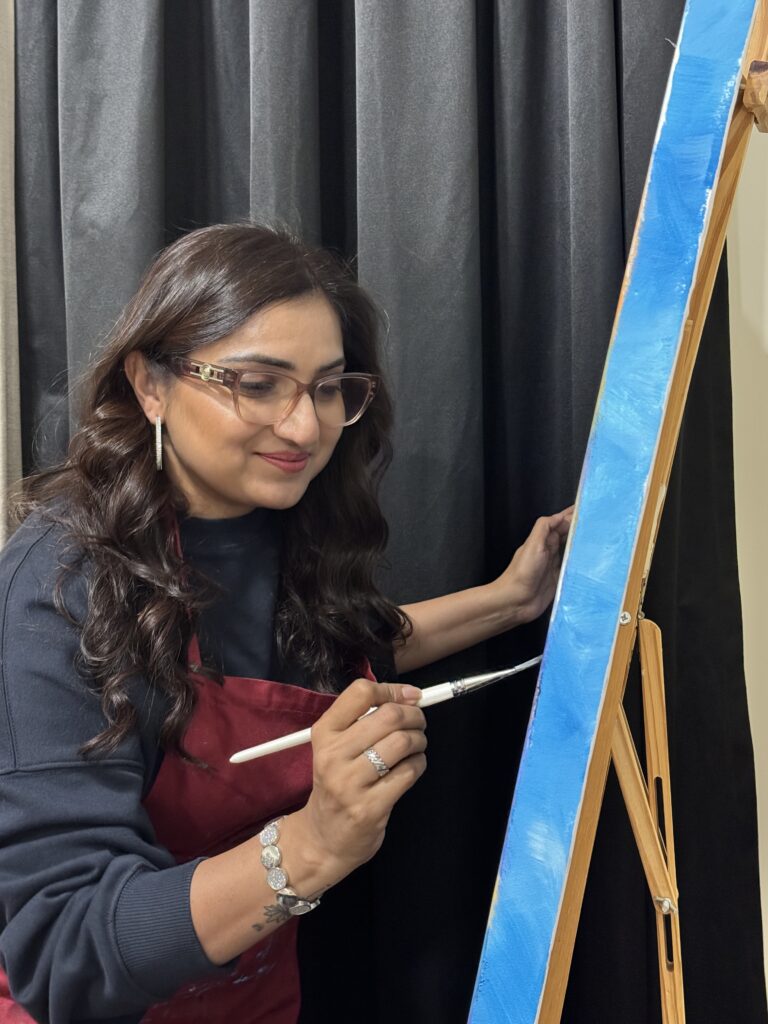
The Real Gap Isn’t Awareness. It’s Retention.

Marine conservation doesn’t lack information.

You already communicate biodiversity loss, bycatch, habitat degradation, and ecosystem collapse.

People understand it, but they don’t hold onto it long enough.

The challenge is to make people pause, feel, and remember. Without that, even strong campaigns struggle to sustain engagement and build long-term support.

A message may create awareness for a moment, but a meaningful connection gives people a reason to return to the story, talk about it, and become involved.

“People may understand what is disappearing, but they remember what they feel connected to.”  

Where Art Changes the Conversation

When I first started painting marine species, I focused heavily on scientific accuracy. I spent time understanding their anatomy, colours, habitats, and unique characteristics. I wanted every detail to be as close to reality as possible.

The work was technically correct, but something was missing. It didn’t create the connection I had hoped for. That experience made me realise something important: accuracy alone does not always create emotional proximity.

I started asking myself a different question:

What will make someone remember this species even after they walk away?

That question slowly changed the way I approached wildlife painting. Instead of simply focusing on how a species looked, I began thinking about the story behind it. Its behaviour, its surroundings, its role in the ecosystem, and the challenges it faces became equally important parts of my creative process.

I wanted each painting to offer more than a visual representation. I wanted it to invite curiosity, encourage questions, and help someone see a species as more than just another name in a conservation report.

For me, this is where art begins to change the conversation. It creates a space where scientific understanding meets human emotion, allowing people to connect with wildlife in a more personal and memorable way.

Art as a Tool for Conservation

A thoughtfully created artwork can:

  • Give a campaign a memorable visual identity.
  • Help people connect emotionally with a species.
  • Encourage conversations beyond the campaign.
  • Make donor presentations and exhibits more engaging.

In conversations and exhibits where my work has been used, I’ve seen people pause, ask questions, and come back to the story later.

A visual can sometimes open a conversation that facts alone may not begin. It gives audiences something tangible to associate with a species and its conservation challenges.

Select your currency
AED United Arab Emirates dirham